%20Blog%20thumbnails.jpg)



%20Blog%20thumbnails%20.jpg)
3 Things Surgeons Don't Tell You About Spinal Stenosis Surgery


Are you considering spinal stenosis surgery and wondering what recovery is really like? Or maybe you're trying to decide if surgery is the right next step.
While surgery can be incredibly helpful for the right person, there are a few things many patients aren't told. Surgeons often focus on removing pressure from the nerves, but they don't always discuss recovery timelines, re-operation rates, or the importance of rebuilding the muscles that support your spine.
I'll walk you through what to realistically expect so you can make an informed decision and set yourself up for the best possible outcome.
What To Expect From Spinal Stenosis Surgery
Spinal stenosis surgery is designed to remove pressure from irritated nerves, but really it is only the beginning of your recovery.
Over the past 10+ years as a physical therapist, I've worked with many patients who told me they wished they had understood this before surgery. While minimally invasive procedures are often presented as a "fix," the reality is that surgery simply creates the opportunity to recover.
Any time bone is removed or hardware is added to the spine, your body's mechanics change. Even a small laminectomy affects stability. That means your recovery depends on rebuilding strength, improving movement, and increasing your spine's ability to tolerate everyday activities.
I call this building tissue tolerance—gradually teaching your body to handle more over time so you can move with confidence again.
Laminectomy and Fusion Recovery Timelines
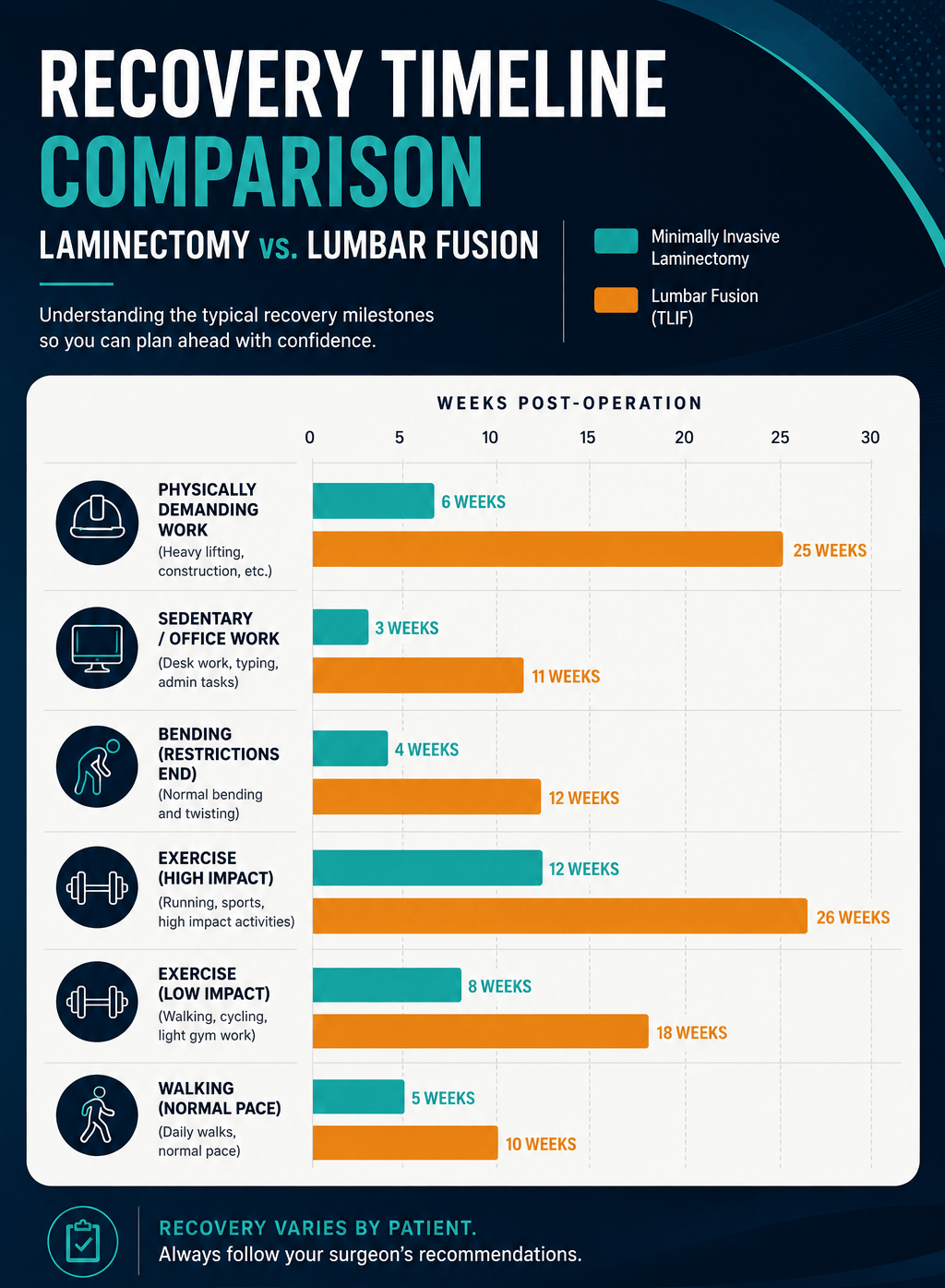
Both procedures can be successful, but they have very different recovery timelines.
Laminectomy
A lumbar laminectomy is generally less invasive because only a small amount of bone is removed to give the nerve more space. Recovery is typically quicker, restrictions are fewer, and patients often regain function sooner. Still a back surgery but the recovery is fairly easy. I have had plenty of patients do well.
Spinal Fusion
Fusion surgery is a much bigger operation. Recovery takes longer, precautions are stricter, and discomfort often lasts much longer. Because the fused segment no longer moves, the joints above and below must absorb more stress.
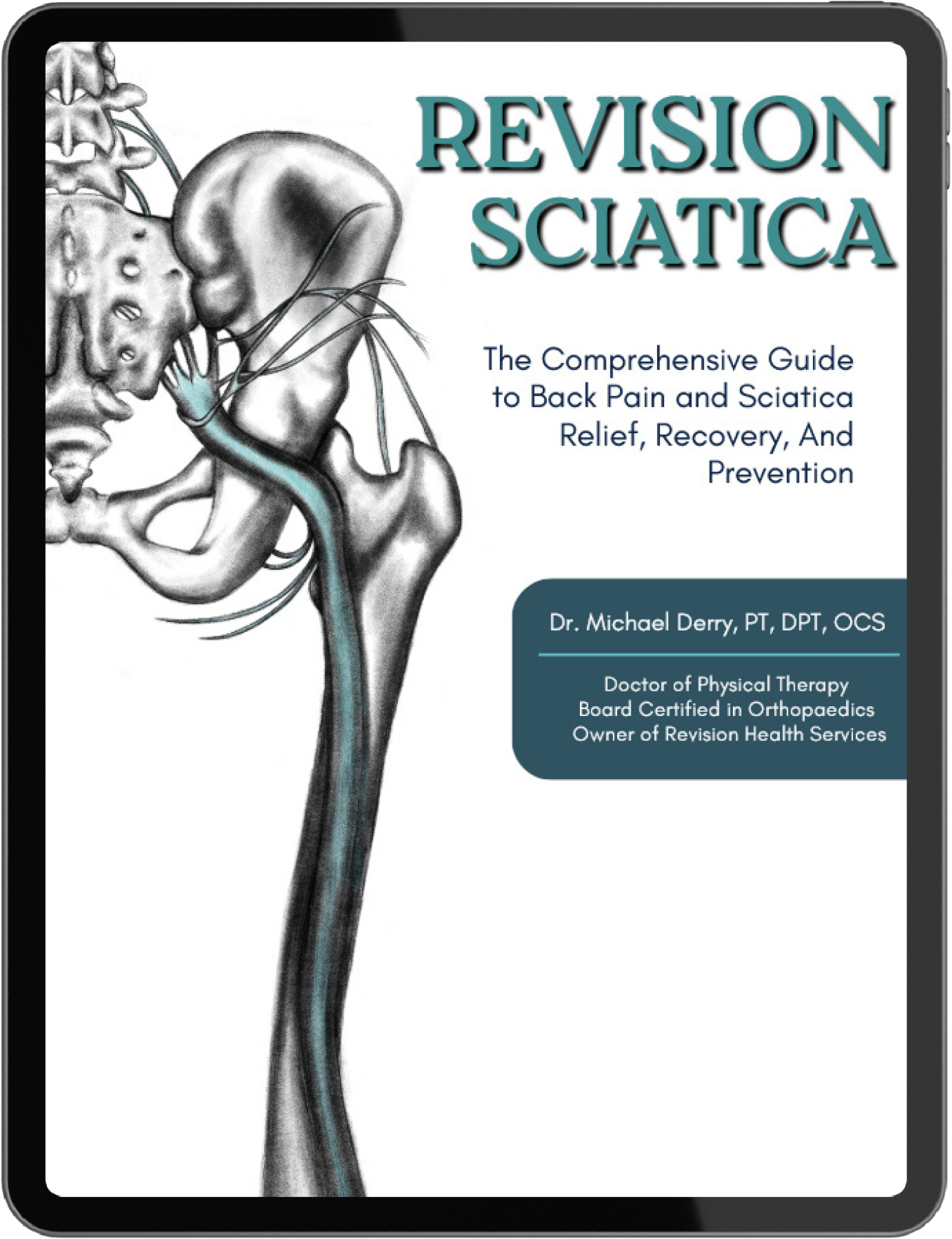
Regardless of which procedure you have, both groups benefit from restoring mobility to the sciatic nerve and rebuilding strength afterward. I discuss these recovery strategies in much greater detail in my book, Revision Sciatica.
The Real Re-operation Rates of Lumbar Spine Surgery
One statistic that surprises many people is the re-operation rate.
Current research suggests that 17–20% of patients require another spinal surgery in the future. This is especially common after spinal fusion and less common after laminectomy.
Why?
Because changing one part of the spine changes how the rest of the spine functions. Over time, neighboring joints often take on additional stress.
This doesn't mean surgery isn't worth it—it simply means you should understand the long-term picture before making your decision.
Laminectomy vs. Fusion Risks
A laminectomy generally carries a lower risk of future surgery because it removes only a small amount of bone.
Fusion surgery, however, permanently stabilizes one segment of the spine. While this can effectively treat instability, it also increases the workload on the joints above and below the fusion.
The younger you are when you have a fusion, the greater the chance you'll eventually need another surgery somewhere else in your spine.
That's why strengthening the muscles around your spine becomes even more important after surgery.
The True Goal of Spine Surgery They Should Tell You!
One of the biggest misconceptions about spinal stenosis surgery is that it's designed to eliminate back pain.
In reality, the primary goal is to protect the nerves by relieving compression.
Giving the nerves more room is incredibly valuable, but it doesn't automatically restore strength, endurance, or movement.
Many patients are surprised that their back still hurts after surgery.
That's because surgery creates the opportunity to move again—but movement is what ultimately restores function.
In fact, one of the very first things you're encouraged to do after surgery is...Walk.
Walking improves circulation, nourishes healing tissues, and begins rebuilding the endurance your spine needs.
Why Movement Is Medicine
Movement is one of the most powerful tools you have after spine surgery.
Regular walking and strengthening exercises help:
- Restore blood flow
- Reduce stiffness
- Improve nerve mobility
- Rebuild endurance
- Increase muscle strength
You find the workout below helpful
I often tell my patients:
Motion is lotion for your joints and nerves.
The goal isn't to avoid discomfort forever. Instead, we gently "flirt with the pain" by introducing movement without provoking severe symptoms.
That's how resilience is built.
The Hidden Problem Of Fatty Infiltrate In Your Back
It’s not back fat, it’s fatty infiltrate in the deep back muscles. Fatty infiltrate occurs when the deep supporting muscles of your spine shut down and are replaced by fat due to prolonged pain and inactivity. When you get an MRI, surgeons are often zoomed in on the discs and nerves, completely ignoring the quality of your muscles. Remember, those disc or bone changes are often just normal but muscle wasting and shrinking can reflect a serious functional issue.
Changing Your Muscles From Ribeye To Filet Mignon
Healthy back muscles, like your multifidi and erector spinae, should be lean and full of endurance like a filet mignon. When you are sedentary from chronic pain, those muscles atrophy and look more like a fatty ribeye steak on your imaging. This fatty infiltrate completely shuts down the strength and stability your spine desperately needs.

What works with my patients is committing to 6 to 8 weeks of good, hard exercise to reverse this fatty tissue. By converting that ribeye back into a lean filet mignon, you improve your spine health and simultaneously reduce your pain.
Here is an exercise program I use with many of my stenosis clients.
Utilizing The SPARK Program For Lasting Relief
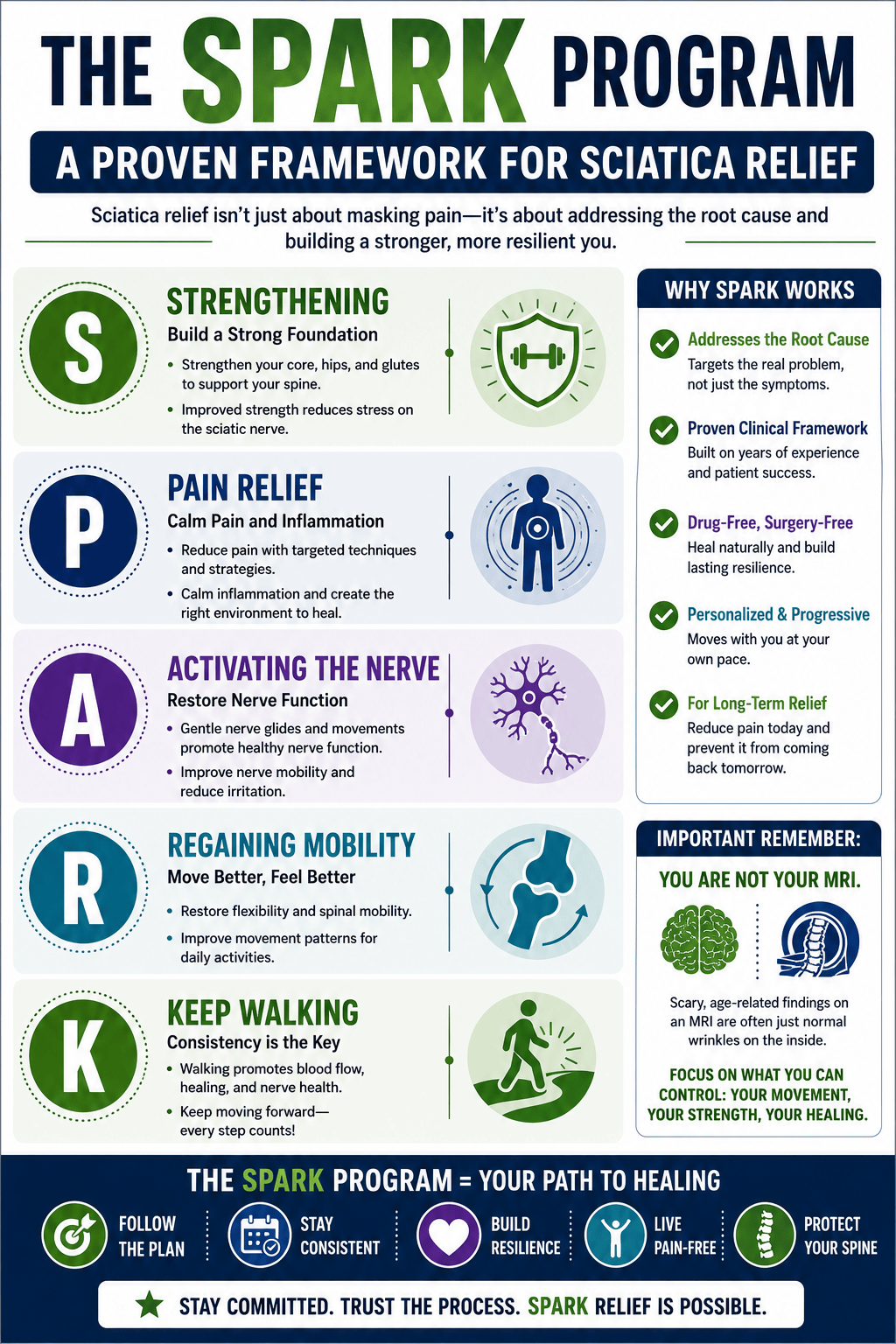
Whether you've had surgery or are trying to avoid it, I use my SPARK Program to guide recovery.
SPARK stands for:
- Strengthening
- Pain Relief
- Activating the Nerve
- Regaining Mobility
- Keep Walking
This framework addresses far more than pain alone. It helps rebuild endurance, restore healthy movement, improve nerve function, and create lasting resilience.
My goal is always the same: help people regain confidence in their bodies instead of relying on endless procedures or treatments.
Teaming Up With A Movement Professional
Teaming up with a movement professional is a great easy to ensure you are doing the right exercises at the right time after spine surgery. An expert physical therapist will help you navigate the re-operation risks, protect your nerves, and reverse that fatty muscle loss. We want to empower you to take control of your recovery rather than relying solely on the surgical outcome.
Summary
Spinal stenosis surgery can relieve pressure on the nerves, but it is only the first step in recovery—not a complete solution for back pain. Long-term success depends on rebuilding strength, improving nerve mobility, and restoring the deep muscles that support your spine through consistent movement and exercise. Whether you choose surgery or conservative care, following a structured program like SPARK can help you build resilience, reduce pain, and return to the activities you enjoy.
Are you considering spinal stenosis surgery and wondering what recovery is really like? Or maybe you're trying to decide if surgery is the right next step.
While surgery can be incredibly helpful for the right person, there are a few things many patients aren't told. Surgeons often focus on removing pressure from the nerves, but they don't always discuss recovery timelines, re-operation rates, or the importance of rebuilding the muscles that support your spine.
I'll walk you through what to realistically expect so you can make an informed decision and set yourself up for the best possible outcome.
What To Expect From Spinal Stenosis Surgery
Spinal stenosis surgery is designed to remove pressure from irritated nerves, but really it is only the beginning of your recovery.
Over the past 10+ years as a physical therapist, I've worked with many patients who told me they wished they had understood this before surgery. While minimally invasive procedures are often presented as a "fix," the reality is that surgery simply creates the opportunity to recover.
Any time bone is removed or hardware is added to the spine, your body's mechanics change. Even a small laminectomy affects stability. That means your recovery depends on rebuilding strength, improving movement, and increasing your spine's ability to tolerate everyday activities.
I call this building tissue tolerance—gradually teaching your body to handle more over time so you can move with confidence again.
Laminectomy and Fusion Recovery Timelines
Both procedures can be successful, but they have very different recovery timelines.
Laminectomy
A lumbar laminectomy is generally less invasive because only a small amount of bone is removed to give the nerve more space. Recovery is typically quicker, restrictions are fewer, and patients often regain function sooner. Still a back surgery but the recovery is fairly easy. I have had plenty of patients do well.
Spinal Fusion
Fusion surgery is a much bigger operation. Recovery takes longer, precautions are stricter, and discomfort often lasts much longer. Because the fused segment no longer moves, the joints above and below must absorb more stress.
Regardless of which procedure you have, both groups benefit from restoring mobility to the sciatic nerve and rebuilding strength afterward. I discuss these recovery strategies in much greater detail in my book, Revision Sciatica.
The Real Re-operation Rates of Lumbar Spine Surgery
One statistic that surprises many people is the re-operation rate.
Current research suggests that 17–20% of patients require another spinal surgery in the future. This is especially common after spinal fusion and less common after laminectomy.
Why?
Because changing one part of the spine changes how the rest of the spine functions. Over time, neighboring joints often take on additional stress.
This doesn't mean surgery isn't worth it—it simply means you should understand the long-term picture before making your decision.
Laminectomy vs. Fusion Risks
A laminectomy generally carries a lower risk of future surgery because it removes only a small amount of bone.
Fusion surgery, however, permanently stabilizes one segment of the spine. While this can effectively treat instability, it also increases the workload on the joints above and below the fusion.
The younger you are when you have a fusion, the greater the chance you'll eventually need another surgery somewhere else in your spine.
That's why strengthening the muscles around your spine becomes even more important after surgery.
The True Goal of Spine Surgery They Should Tell You!
One of the biggest misconceptions about spinal stenosis surgery is that it's designed to eliminate back pain.
In reality, the primary goal is to protect the nerves by relieving compression.
Giving the nerves more room is incredibly valuable, but it doesn't automatically restore strength, endurance, or movement.
Many patients are surprised that their back still hurts after surgery.
That's because surgery creates the opportunity to move again—but movement is what ultimately restores function.
In fact, one of the very first things you're encouraged to do after surgery is...Walk.
Walking improves circulation, nourishes healing tissues, and begins rebuilding the endurance your spine needs.
Why Movement Is Medicine
Movement is one of the most powerful tools you have after spine surgery.
Regular walking and strengthening exercises help:
- Restore blood flow
- Reduce stiffness
- Improve nerve mobility
- Rebuild endurance
- Increase muscle strength
You find the workout below helpful
I often tell my patients:
Motion is lotion for your joints and nerves.
The goal isn't to avoid discomfort forever. Instead, we gently "flirt with the pain" by introducing movement without provoking severe symptoms.
That's how resilience is built.
The Hidden Problem Of Fatty Infiltrate In Your Back
It’s not back fat, it’s fatty infiltrate in the deep back muscles. Fatty infiltrate occurs when the deep supporting muscles of your spine shut down and are replaced by fat due to prolonged pain and inactivity. When you get an MRI, surgeons are often zoomed in on the discs and nerves, completely ignoring the quality of your muscles. Remember, those disc or bone changes are often just normal but muscle wasting and shrinking can reflect a serious functional issue.
Changing Your Muscles From Ribeye To Filet Mignon
Healthy back muscles, like your multifidi and erector spinae, should be lean and full of endurance like a filet mignon. When you are sedentary from chronic pain, those muscles atrophy and look more like a fatty ribeye steak on your imaging. This fatty infiltrate completely shuts down the strength and stability your spine desperately needs.
What works with my patients is committing to 6 to 8 weeks of good, hard exercise to reverse this fatty tissue. By converting that ribeye back into a lean filet mignon, you improve your spine health and simultaneously reduce your pain.
Here is an exercise program I use with many of my stenosis clients.
Utilizing The SPARK Program For Lasting Relief
Whether you've had surgery or are trying to avoid it, I use my SPARK Program to guide recovery.
SPARK stands for:
- Strengthening
- Pain Relief
- Activating the Nerve
- Regaining Mobility
- Keep Walking
This framework addresses far more than pain alone. It helps rebuild endurance, restore healthy movement, improve nerve function, and create lasting resilience.
My goal is always the same: help people regain confidence in their bodies instead of relying on endless procedures or treatments.
Teaming Up With A Movement Professional
Teaming up with a movement professional is a great easy to ensure you are doing the right exercises at the right time after spine surgery. An expert physical therapist will help you navigate the re-operation risks, protect your nerves, and reverse that fatty muscle loss. We want to empower you to take control of your recovery rather than relying solely on the surgical outcome.
Summary
Spinal stenosis surgery can relieve pressure on the nerves, but it is only the first step in recovery—not a complete solution for back pain. Long-term success depends on rebuilding strength, improving nerve mobility, and restoring the deep muscles that support your spine through consistent movement and exercise. Whether you choose surgery or conservative care, following a structured program like SPARK can help you build resilience, reduce pain, and return to the activities you enjoy.


.jpg)
