


7 Exercises Making Your Spinal Stenosis Worse And What to do Instead (A PTs Guide)


Many common exercises for back pain force the spine into extension and compress the nerves. This can make your spinal stenosis symptoms worse, increase heaviness and pain in your legs, and prolong your recovery. I see this way too often when I treat patients.
I don't blame you for trying, but spinal stenosis is different and requires a completely different approach than normal back pain.
Traditional back pain programs often focus on moving the lower back into extension and emphasize improving “posture". But spinal stenosis is primarily a nerve issue. The goal is to open the spinal column and reduce pressure on sensitive nerves, not close it down further.
In this guide, I’m going to review 7 exercises that commonly make spinal stenosis worse and show you safer alternatives that actually help relieve pressure, improve pain, and improve walking tolerance.
If you are unsure whether you truley have spinal stenosis or something else, take my free quiz to help you figure it out.
Movement Is Medicine, But Extension Is Not
When I work with my stenosis clients, I remind them that MRI findings showing arthritis or narrowing are often just normal wrinkles on the inside. We don't rely on your images to figure out the right exercise. We focus on what you feel.
Our primary goal is to improve your tissue tolerance and build resiliency through targeted nerve and mobility exercises to improve your spine and pain without making things worse.
Exercises that repeatedly force your stenotic spine into extension will continue irritating the nerves.
For spinal stenosis, we must actively utilize flexion, bending forward, to open the spinal canal and let the nerves breathe.
7 Exercises to Avoid With Lumbar Spinal Stenosis and What To Do Instead

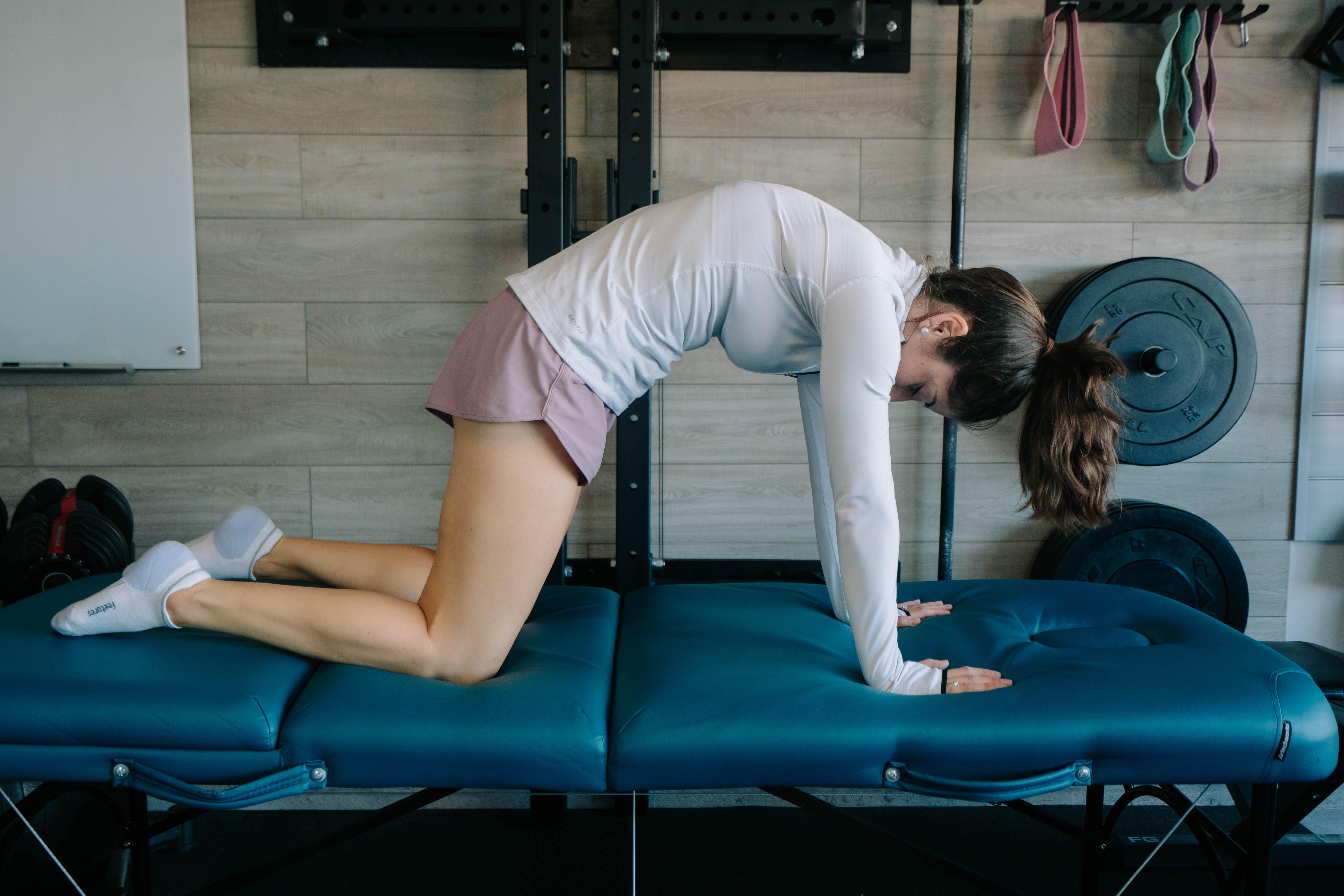
1. Stop Doing the “Cow” Portion of Cat-Camel
The cat-camel stretch is commonly prescribed for back pain, but the “cow” portion, where you drop your stomach and poke your butt out, forces your spine into maximum extension.
This directly closes down the narrowed spaces in your spine and pinches sensitive nerves.
What To Do Instead: Flexion-Only Rock Back
Only perform the flexion component by rounding your back upward. After rounding your back, rock your hips back toward your heels into a prayer stretch.
This safely opens the spinal canal without the harmful extension phase.

2. Glute Bridges Close Down On Nerves
Glute bridges are heavily promoted for lower back pain, but they are often terrible for spinal stenosis.
Lifting your hips extends your lumbar spine under load, increasing compression around the nerves.
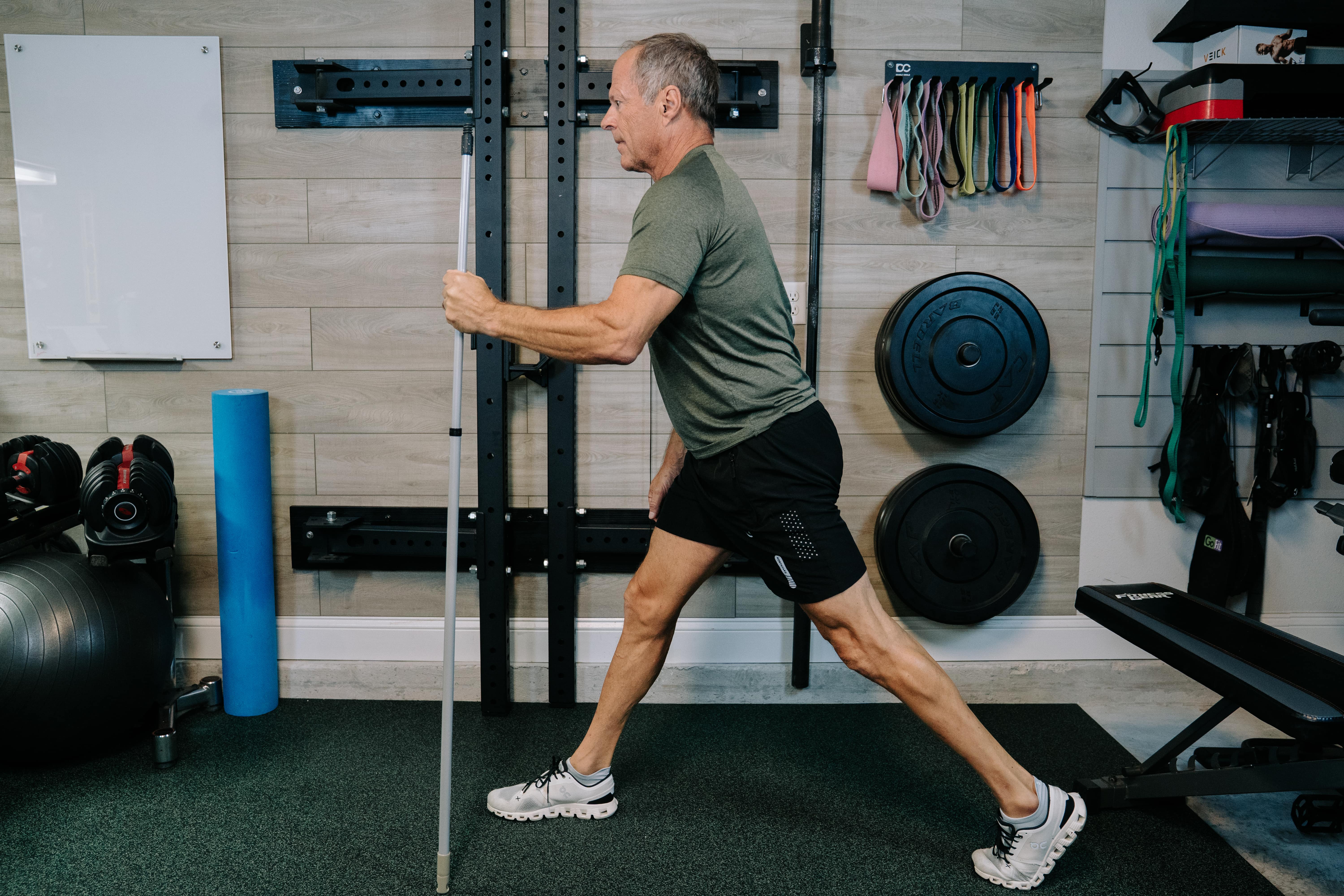
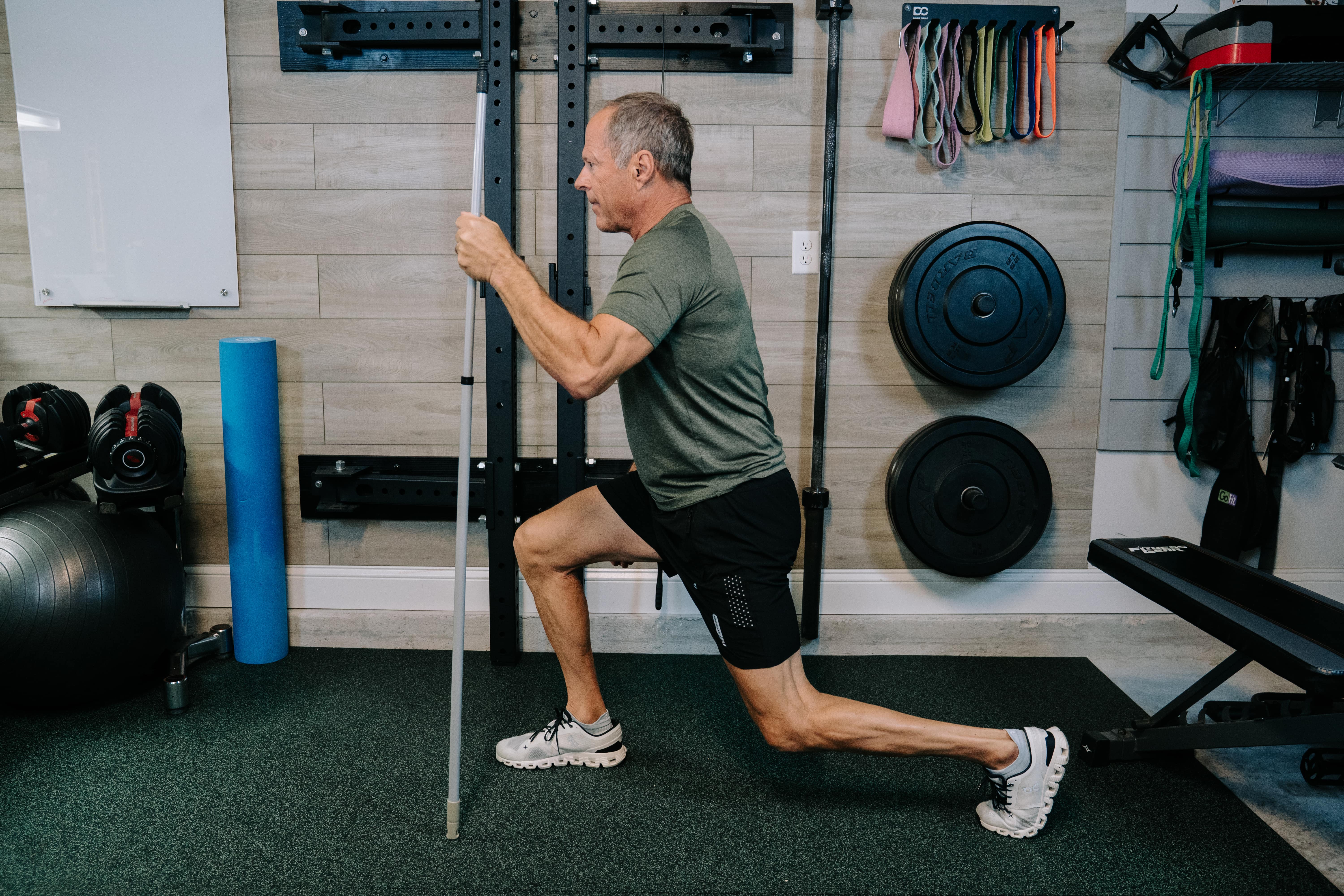
What To Do Instead: Forward-Leaning Lunges
Try standing lunges while maintaining a slight forward lean.
Using a countertop or chair for support, take a staggered stance and lean slightly forward as you lower into the lunge. This gives you excellent glute and quad strengthening while keeping your spine in a much safer flexed position.
3. Traditional Bodyweight Squats Can Trigger Leg Pain
Traditional squats require you to stick your butt out and maintain lumbar extension throughout the movement.
For many people with stenosis, this posture constantly compresses the nerves and reproduces leg symptoms.
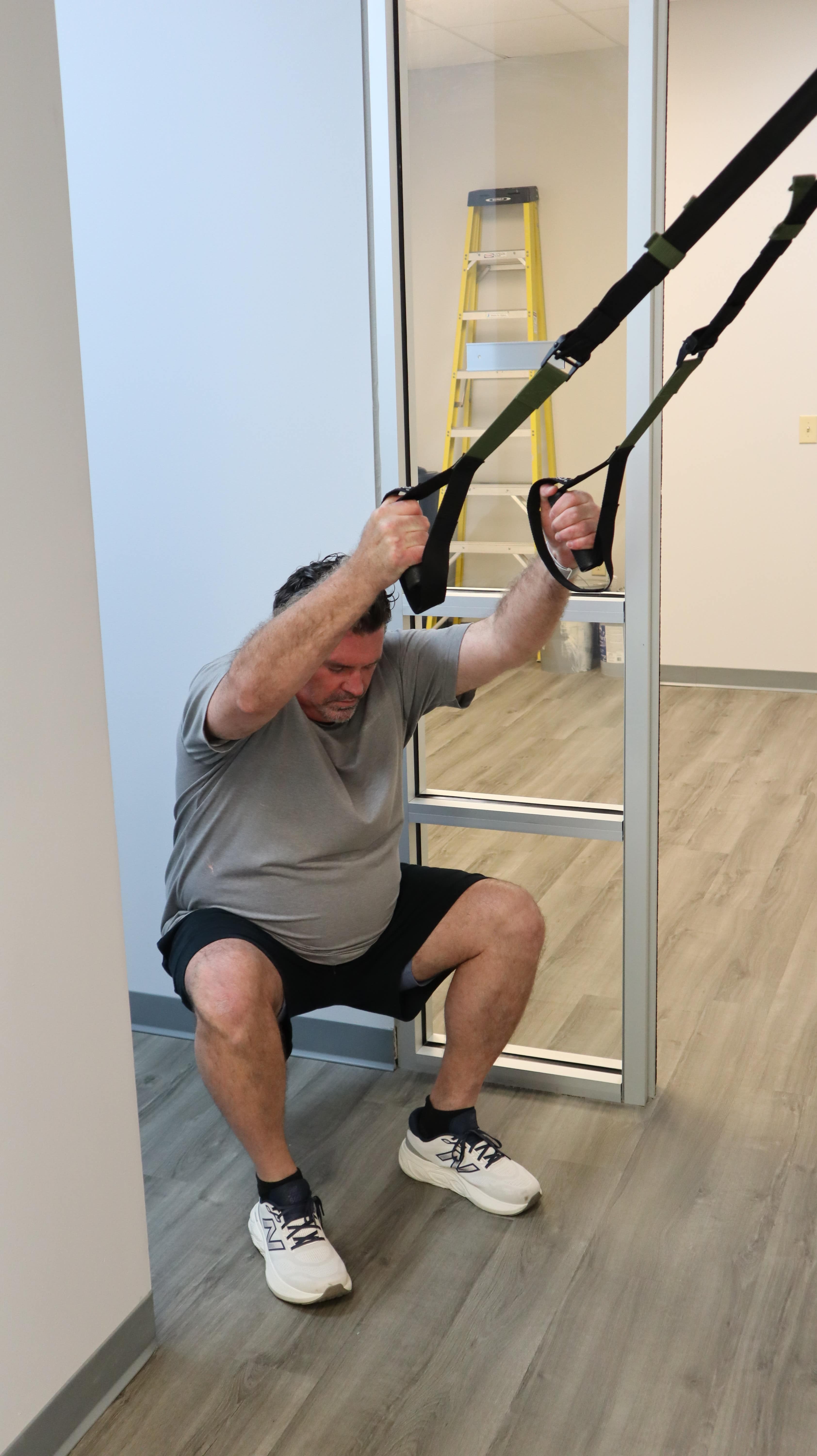
What To Do Instead: Suspension Trainer Squats
Use a suspension trainer or hold onto sturdy straps for support.
This allows you to lean back slightly and squat deeper while keeping your spine in a comfortable flexed position. You can strengthen your legs without irritating the nerves.
4. Pelvic Tilts Often Arch the Back Too Much
The upward arching phase of pelvic tilts is pure lumbar extension.
Doing this repeatedly can aggressively shrink the nerve pathways and increase discomfort.
What To Do Instead: Seated Lumbar Flexion
Perform seated lumbar flexion instead.
Sit in a chair, spread your knees, and effortlessly reach your hands toward the floor. Gravity gently opens the spinal spaces and often provides rapid relief from leg heaviness and neurogenic claudication.

5. Forced Upright Posture Causes Harm
I have never met a patient who didn’t want to improve their posture.
But forcing yourself to walk perfectly upright can pull your shoulders back, extend your spine, and significantly worsen stenosis symptoms.
Your body naturally hunches forward to relieve pressure on the nerves.
What To Do Instead: Embrace Flexion Breaks
Give yourself some grace and embrace flexion breaks.
Leaning slightly forward while walking, using a shopping cart, or periodically bending forward can dramatically improve walking tolerance.
Remember: motion is lotion. Walking with a slight lean is far healthier than avoiding movement altogether because of pain.
6. The Prone Press-Up (Cobra Pose) Aggravates Nerves
The prone press-up is famous for treating disc herniations, but it is usually terrible for spinal stenosis.
Pushing your chest off the floor while keeping your hips down forces the lumbar spine into extension, reducing the space around the nerves.
What To Do Instead
Lie on your back and bring your knees gently toward your chest.
This flexes the lower back, opens the spinal canal, and often provides rapid symptom relief.
.jpg)
7. Lying Flat on Your Stomach Can Irritate Symptoms
Lying on your stomach puts your lower back in extension.
If you are a stomach sleeper, you may notice increased back or leg pain overnight or upon waking in the morning.
What To Do Instead
If you must lie on your stomach, place a large pillow under your hips to reduce lumbar extension.
Even better, try sleeping on your side with a pillow between your knees, or sleeping on your back with your knees elevated.
Build True Resiliency With the SPARK Program
What works best with my patients is focusing on spinal flexion, improving walking tolerance, and building core strength.
As symptoms improve, we gradually work back into extension because we cannot avoid it forever.
Overcoming spinal stenosis requires a targeted, non-surgical approach like my SPARK Program:
- Strengthening
- Pain relief techniques
- Activating the sciatic nerve
- Regaining mobility
- Keep walking
Everything is designed specifically for spinal stenosis.
If you have walking pain then check out my Free Stenosis Pain While Walking Quiz.
You can also get the exact step-by-step roadmap I use with my clients inside my Revision Sciatica Book!
Summary
Many common back exercises actually worsen spinal stenosis by forcing the spine into extension and increasing pressure on sensitive nerves. This guide explains 7 movements to avoid and safer flexion-based alternatives that can help relieve pain, improve walking tolerance, and build long-term resiliency naturally.
Many common exercises for back pain force the spine into extension and compress the nerves. This can make your spinal stenosis symptoms worse, increase heaviness and pain in your legs, and prolong your recovery. I see this way too often when I treat patients.
I don't blame you for trying, but spinal stenosis is different and requires a completely different approach than normal back pain.
Traditional back pain programs often focus on moving the lower back into extension and emphasize improving “posture". But spinal stenosis is primarily a nerve issue. The goal is to open the spinal column and reduce pressure on sensitive nerves, not close it down further.
In this guide, I’m going to review 7 exercises that commonly make spinal stenosis worse and show you safer alternatives that actually help relieve pressure, improve pain, and improve walking tolerance.
If you are unsure whether you truley have spinal stenosis or something else, take my free quiz to help you figure it out.
Movement Is Medicine, But Extension Is Not
When I work with my stenosis clients, I remind them that MRI findings showing arthritis or narrowing are often just normal wrinkles on the inside. We don't rely on your images to figure out the right exercise. We focus on what you feel.
Our primary goal is to improve your tissue tolerance and build resiliency through targeted nerve and mobility exercises to improve your spine and pain without making things worse.
Exercises that repeatedly force your stenotic spine into extension will continue irritating the nerves.
For spinal stenosis, we must actively utilize flexion, bending forward, to open the spinal canal and let the nerves breathe.
7 Exercises to Avoid With Lumbar Spinal Stenosis and What To Do Instead
1. Stop Doing the “Cow” Portion of Cat-Camel
The cat-camel stretch is commonly prescribed for back pain, but the “cow” portion, where you drop your stomach and poke your butt out, forces your spine into maximum extension.
This directly closes down the narrowed spaces in your spine and pinches sensitive nerves.
What To Do Instead: Flexion-Only Rock Back
Only perform the flexion component by rounding your back upward. After rounding your back, rock your hips back toward your heels into a prayer stretch.
This safely opens the spinal canal without the harmful extension phase.
2. Glute Bridges Close Down On Nerves
Glute bridges are heavily promoted for lower back pain, but they are often terrible for spinal stenosis.
Lifting your hips extends your lumbar spine under load, increasing compression around the nerves.
What To Do Instead: Forward-Leaning Lunges
Try standing lunges while maintaining a slight forward lean.
Using a countertop or chair for support, take a staggered stance and lean slightly forward as you lower into the lunge. This gives you excellent glute and quad strengthening while keeping your spine in a much safer flexed position.
3. Traditional Bodyweight Squats Can Trigger Leg Pain
Traditional squats require you to stick your butt out and maintain lumbar extension throughout the movement.
For many people with stenosis, this posture constantly compresses the nerves and reproduces leg symptoms.
What To Do Instead: Suspension Trainer Squats
Use a suspension trainer or hold onto sturdy straps for support.
This allows you to lean back slightly and squat deeper while keeping your spine in a comfortable flexed position. You can strengthen your legs without irritating the nerves.
4. Pelvic Tilts Often Arch the Back Too Much
The upward arching phase of pelvic tilts is pure lumbar extension.
Doing this repeatedly can aggressively shrink the nerve pathways and increase discomfort.
What To Do Instead: Seated Lumbar Flexion
Perform seated lumbar flexion instead.
Sit in a chair, spread your knees, and effortlessly reach your hands toward the floor. Gravity gently opens the spinal spaces and often provides rapid relief from leg heaviness and neurogenic claudication.
5. Forced Upright Posture Causes Harm
I have never met a patient who didn’t want to improve their posture.
But forcing yourself to walk perfectly upright can pull your shoulders back, extend your spine, and significantly worsen stenosis symptoms.
Your body naturally hunches forward to relieve pressure on the nerves.
What To Do Instead: Embrace Flexion Breaks
Give yourself some grace and embrace flexion breaks.
Leaning slightly forward while walking, using a shopping cart, or periodically bending forward can dramatically improve walking tolerance.
Remember: motion is lotion. Walking with a slight lean is far healthier than avoiding movement altogether because of pain.
6. The Prone Press-Up (Cobra Pose) Aggravates Nerves
The prone press-up is famous for treating disc herniations, but it is usually terrible for spinal stenosis.
Pushing your chest off the floor while keeping your hips down forces the lumbar spine into extension, reducing the space around the nerves.
What To Do Instead
Lie on your back and bring your knees gently toward your chest.
This flexes the lower back, opens the spinal canal, and often provides rapid symptom relief.
7. Lying Flat on Your Stomach Can Irritate Symptoms
Lying on your stomach puts your lower back in extension.
If you are a stomach sleeper, you may notice increased back or leg pain overnight or upon waking in the morning.
What To Do Instead
If you must lie on your stomach, place a large pillow under your hips to reduce lumbar extension.
Even better, try sleeping on your side with a pillow between your knees, or sleeping on your back with your knees elevated.
Build True Resiliency With the SPARK Program
What works best with my patients is focusing on spinal flexion, improving walking tolerance, and building core strength.
As symptoms improve, we gradually work back into extension because we cannot avoid it forever.
Overcoming spinal stenosis requires a targeted, non-surgical approach like my SPARK Program:
- Strengthening
- Pain relief techniques
- Activating the sciatic nerve
- Regaining mobility
- Keep walking
Everything is designed specifically for spinal stenosis.
If you have walking pain then check out my Free Stenosis Pain While Walking Quiz.
You can also get the exact step-by-step roadmap I use with my clients inside my Revision Sciatica Book!
Summary
Many common back exercises actually worsen spinal stenosis by forcing the spine into extension and increasing pressure on sensitive nerves. This guide explains 7 movements to avoid and safer flexion-based alternatives that can help relieve pain, improve walking tolerance, and build long-term resiliency naturally.

%20Blog%20thumbnails.jpg)


